





What the iPhone of the future might look like
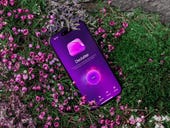
Lifelike renders based on patents filed by Apple and the ever effusive rumor mill give us a clue as to what a future iPhone — perhaps the iPhone 6 or 7 — might look like.
Adrian Kingsley-Hughes sifts through the marketing hyperbole and casts his critical eye over the latest technological innovations to find out which products make the grade and which don't.
Adrian Kingsley-Hughes is an internationally published technology author who has devoted over a decade to helping users get the most from technology.
Lifelike renders based on patents filed by Apple and the ever effusive rumor mill give us a clue as to what a future iPhone — perhaps the iPhone 6 or 7 — might look like.
Setting up a long-range, high-speed Ethernet can be very hit and miss, but network specialist AvaLAN Wireless has released a new range of 300Mbps hardware that will allow the creation of a solid, robust connection.
Time to take a tour of a handful of the best Android smartphones currently available on the market. Here are some killer handsets from Google, Motorola, and Samsung.
Think Tegra is only for smartphones and tablets? Think again! New third-party drivers — which have been developed both with Nvidia's blessing and assistance — will help to give the platform a foot in the server room door.
Microsoft built Windows 8 around the new touch user interface, but it seems that consumers are quite attached to their keyboards and mice.
So why is Google going to all the effort of forking the WebKit rendering engine in order to create Blink? It's down to one thing — the post-PC era that we find ourselves in.
Google changes the way it collects version information about Android, give Jelly Bean a significant usage share boost. However the aging Gingerbread continues to be the most popular version of Android.
It's far too early to rule Intel out of the mobile game. The company's success with 14-nanometer architecture could give it the power it needs to elbow aside the likes of ARM and Nvidia.
Moore's law has remained relevant for over half a century, but evidence is mounting to suggest that it is coming to an end. What will the end of Moore's law mean to the tech industry?
New drivers for Intel's Ivy Bridge-based third-generation Core processors brings support for OpenCL 1.2 general-purpose GPU language and a 10 percent performance boost.