Top 10 technologies that could live another 20 years

When the technology was founded: Around 1860 when the first QWERTY-keyboard was developed.
Why the technology will be around for another 20 years: The keyboard is in practically every device there is - even to the mobile device and television remotes. For some time, the keyboard was restricted to simply the word processor and the computer. It took a while for mobile devices to take advantage of the QWERTY keyboard style on handsets.
However, innovative technologies allow a wider breadth of input into computers and mobile devices. But even with touch technology, arguably spurred on by tablets and touch-screen phones like the iPad and iPhone, the keyboard still reigns as the most natural and innate input device for all to use.
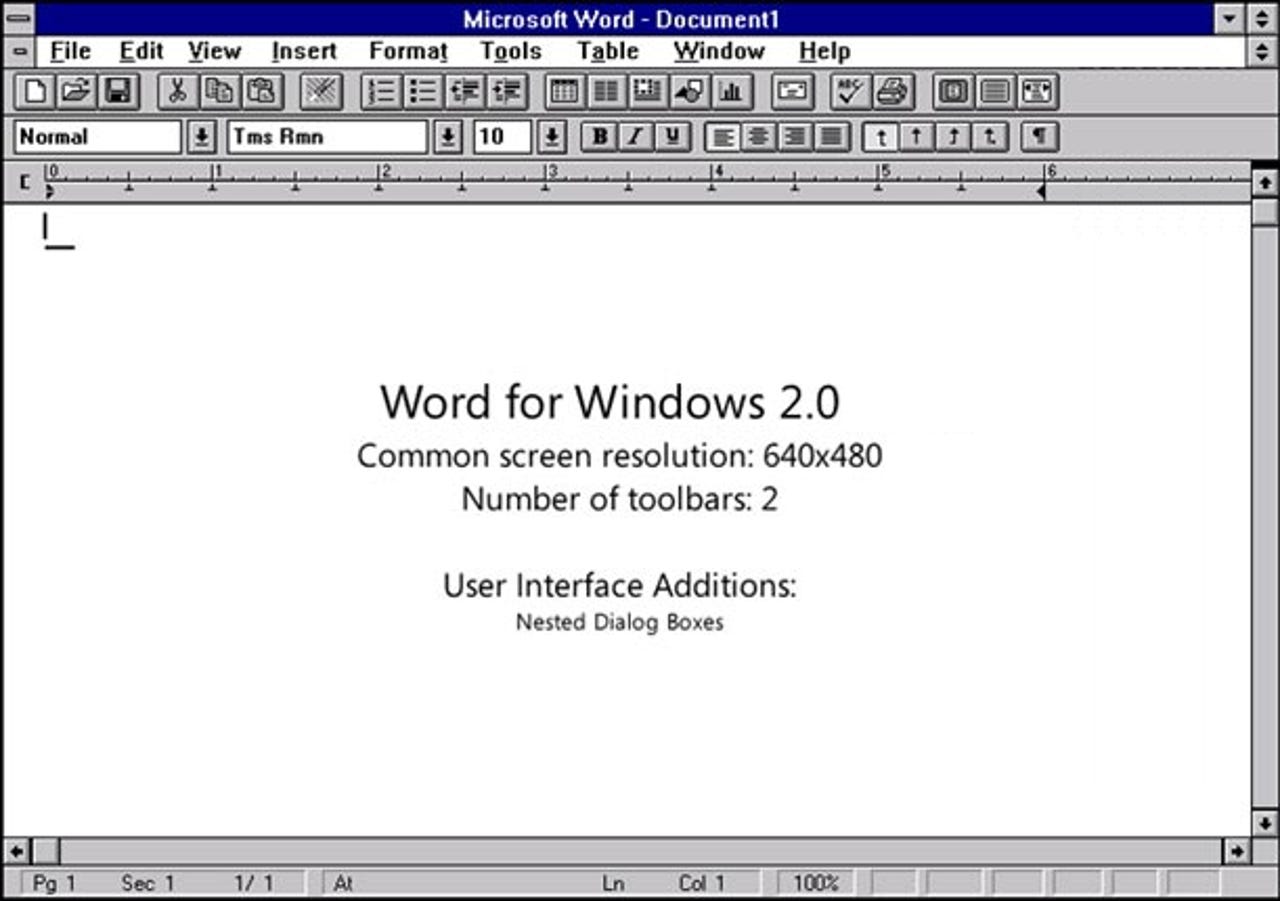
When the technology was founded: Microsoft Office was first released in fall 1990 for Windows 3.0.
Why the technology will be around for another 20 years: Without doubt, Microsoft Office is one of the most used, and understandably the most expensive office and productivity suite of programs on the market. Because of its userbase in the hundreds of millions, ranging from large corporations to governments, it is almost as widely used as Windows itself.
But the one thing that hinders it the most is that bar the Office:mac edition, it only runs on the Windows platform. As so many people use Office as a document standard, it all but forces out competitors as its market dominates further.
There is a good reason why it has become what it is. Not only does it dole out everything that one needs in an office suite, but has always maintained its version history to each major release of the platforms it is supplied on; both Windows and Mac OS X.
Office will, in my opinion, no doubt survive for the next 20 years on any platform that Windows becomes or evolves into.
When the technology was founded: 19th century, part of Charles Babbage's Difference Engine.
Why the technology will be around for another 20 years: To put it simply and bluntly, how else would we get stuff out of the computer?
When the technology was founded: The 'modern' television was born in 1926.
Why the technology will be around for another 20 years: Radio and television has supported the world in times of crisis and in times of joy. Even though technological developments have changed the way we listen to radio and in particular television, the window to the world is still ever present in all but every household in the modern world.
Though on-demand media and 'broadcast control' technology like Sky+ and TiVo has brought an extra dimension of command to our television broadcasts, the key element is the set itself. It's not going anywhere any time soon.
When the technology was founded: In the late 1950's and early '60's.
Why the technology will be around for another 20 years: Though you may not think it, optical media is still one of the most predominant of all storage mediums, besides the hard drive.
The problem the optical disc faces is the rise of non-optical reading equipment in modern technologies, like smartphones and more specifically, many netbooks. Though, this should not deter fans of optical media for the simple fact that so many alternatives are available for say netbook users, such as the download.
But nevertheless, optical media in its simplest form is slim, compact - hence the name, and easy to transport. Sure, it isn't as small or as sleek, or necessarily as to capacity as some flash drives, but they are far cheaper to manufacture and constantly evolving into larger storage mediums. Just compare a 700MB CD-ROM to a 4GB Blu-ray.
When the technology was founded: For the person on the beat, and not in a vehicular setting, around 1973.
Why the technology will be around for another 20 years: Not only are mobile phones a means for communicating via voice from one person to another, but the technology surrounding these 'sacred-in-modern-times' devices has long been a platform to expand existing technology.
Only in our lifetimes, the Generation Y have seen cellphones develop into smartphones; a platform for which technologies are added to and the experience of the device enhanced significantly.
The very notion of cellphones becoming moulded into the human design are all but nonsense. Mobile phones nowadays are beyond 'making a phone call' and more a personal assistant-like device, allowing communications beyond the phone call or text message.
Cellphones may not last another 20 years, but smartphones will.
When the technology was founded: Dial-up internet, predating the dawn of the web. Around the 1950's at the earliest.
Why the technology will be around for another 20 years: The fact that in recent months, dial-up internet access was used in some of the rebelling Arab states, like Tunisia and Egypt, when their governments cut off access to web-based media, shows how important dial-up access is as an ultimate 'backup' solution.
For nations and states who have yet to reach Western modernity, in technology and culture, repressed by their own states, dial-up access is still used across vast areas where broadband and faster internet access is unavailable.
While for many in the Western world, broadband and fiber connectivity may be at the forefront of our minds, still a great number of those in the developing world rely on dial-up connectivity.
When the technology was founded: 1995. Not quite 20 years old, though.
Why the technology will be around for another 20 years: Java is integral to so many devices and applications, on hardware and software systems alike. From Blu-ray players to mobile devices, cars and desktop operating systems and cloud-based applications, Java is absolutely everywhere.
And for that reason alone, it is all but indispensable to our every day working and leisure time, and is why Java will - not might - last another 20 years at very least.
When the technology was founded: 1980 onwards, at least in popular culture.
Why the technology will be around for another 20 years: Email has vastly shifted from a static and restricted technology, chaining employees and consumers all over the world to a desktop machine, to a dynamic and fluid operation where it is common practice to send and receive emails on the go.
Email is here to stay, and won't be going out of fashion any time soon. Even Facebook and social networking and social media won't kill off the backbone of all Internet communications.