Ten failings that will check the tablet's rise

Tablet
I really want to love my Android Motorola Xoom. I'd like to be able to say I use it all the time, but in reality its use is mainly confined to my bed where a laptop would be too heavy and hot. So what is it about tablets that stops more people buying and using them? I think it's down to a number of shortcomings that are having a serious impact on adoption.
1. Better integration with PCs
Better integration in this context means better docking stations that would allow users to use their tablets more easily with existing peripherals. To be fully effective, these docking stations need to be capable of accommodating the usual collection of hardware, including keyboards, mice, speakers and external drives.
Keyboard
1. Better keyboards
For anyone who has to write a lot, the virtual keyboards on every tablet I have tried are inadequate. I realise that onscreen keyboards are probably fine for those who can text at the speed of light. But for those who have to do a serious amount of writing — authors, students or simply anyone who writes more than a single page of information — a real keyboard is a necessity. Unless you want a bad case of numb fingers, sore wrists or worse, a physical keyboard is a must.
Printer
3. Better integration with printers
Printing from a tablet is a real pain. Usually, third-party applications are required, and some of that software and the accompanying services must be paid for. Certainly, on Android you can use Google Cloud Printing and set up printing reasonably quickly. But it's not ideal in every situation. Tablets need the ability to print easily before they can be considered viable devices for everyday computing.
Firefox browser
4. Improved browsers
There's no shortage of browsers. On my Xoom tablet, I use a combination of Firefox and Chrome. I choose to use two browsers because Chrome is fast, but lacks some of the features I like in Firefox.
And Firefox has trouble with Flash on the Xoom tablet. We need a single browser that is fast and secure and which can be used for every job. At one point I would have said Chrome is the best choice, but it has developed a few issues that prevent it from being my default.
Handwriting
5. Built-in handwriting recognition
In theory at least, built-in handwriting recognition is on its way. Tablet PCs have had this feature for years, so I was shocked to see tablets being released without this facility.
In fact, tablets should offer more than just this basic ability. They should really come with the fully-featured recognition that's offered by tablet PCs: handwriting, input and drawing. Now that would make tablets really effective and useful.
Low prices
6. Lower prices
HP's fire-sale pricing of the discontinued TouchPad notwithstanding, tablets are costly. The iPad and the Xoom are more expensive than far more powerful laptops. If those current high prices fell to netbook levels, tablet adoption would soar.
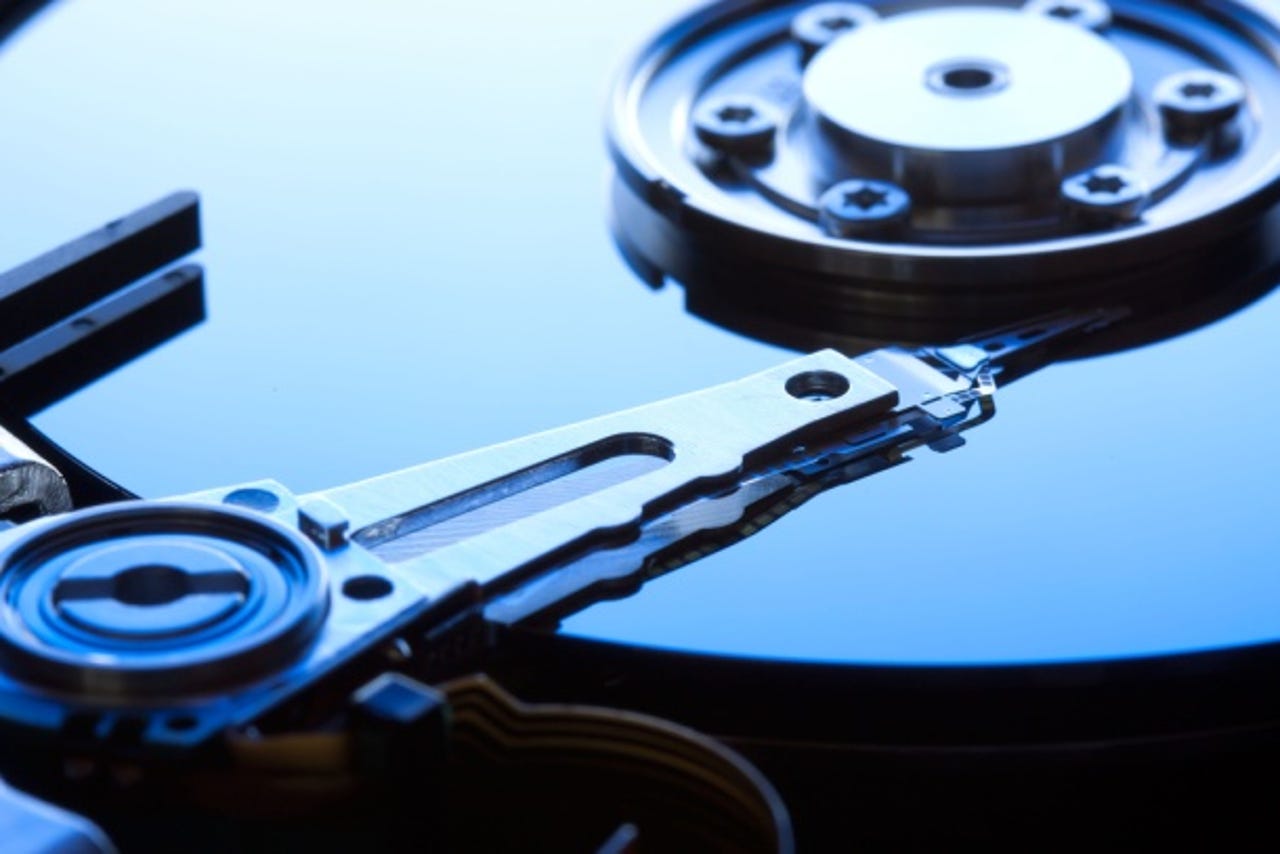
Hard disk drive storage
7. More internal storage
SD cards are not the best way of attracting more people to tablets — even though they may be better than the simple fixed-size storage offered by most slates. Internal storage in tablets needs to be significantly greater than that found in higher-end smartphones.
laptop
8. Less of a phone, more of a laptop
One of the issues with most tablets is that manufacturers and platform developers are still locked into treating them as oversized smartphones.
They need get out of that way of thinking. Smartphones serve a specific purpose that tablets do not. When tablets are nothing more than big smartphones, they are viewed less as the productive tools they can be and more as expensive toys, better suited to social networking than work.
USB stick
9. Better USB support
Some Android tablets such as the Xoom have support for USB — but it is minimal support. In the case of the Xoom, it only extends to USB flash drives. Offering more support for standard hardware such as keyboards, mice, and CD and DVD drives would be a major step forward.
Of course, it would involve negotiating certain substantial hurdles — the installation of drivers, for one. But these issues could be easily resolved by the collective intellect of the developers on all platforms.
SD card
10. Easy access to SD cards
Some tablets have done a reasonably good job of giving users access to SD cards. But the iPad and many Android tablets have no SD card slots, which diminishes their effectiveness. Since internal storage is often limited, SD cards can be vital to intensive users. Without them, users are obliged to spend more time house-keeping, constantly removing files to save space.
Other issues?
Tablets are on the rise, but they could be even more popular with improvements to certain aspects of their design. What do you think? Are tablets on course to outshine laptops? What other issues should be added to this list?
This story originally appeared as 10 ways tablets must improve to become fully accepted on TechRepublic.
Get the latest technology news and analysis, blogs and reviews delivered directly to your inbox with ZDNet UK's newsletters.