4G isn't fast enough for tablet and smartphone users

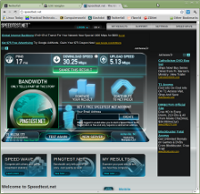
In theory, a 4G connection will give you up to 100Mbps (Megabits per second) speeds. Right. The reality is, on a good day at exactly the right spot, you may see 30Mbps 4G download speeds. Usually, though, you'll do well to see speeds above 10Mbps and, according to an end-user survey by Keynote Competitive Research that's not fast enough.
In a survey of 5,000 U.S. smartphone and tablet users, Keynote found that “while expectations vary somewhat depending on the platform – desktop, smartphone or tablet – they are definitely increasing (PDF Link). In short, user expectations no matter the device are for very fast performance. Many sites, especially on smartphones and tablets, continue to be slow and disappoint consumers on a regular basis. Bottom line: Keynote’s research shows that the ‘expectation gap’ for performance has tightened considerably across platforms, and vendors ignore these increased expectations for blazing fast performance at their own peril.”
When it comes to “frustrating mobile Web experiences over the past two months, two-thirds of smartphone users cited ''Web pages slow to load.'" The next biggest pain point, felt by nearly half of the panel, was 'Website not optimized for smartphone.'” 64 percent of smartphone users want Websites to load within four seconds while 82 percent wanted a mobile website to load within five seconds.
Tablet users felt the same way. Keynote found that 60 percent of tablet users expect to wait less than three seconds to get to a Website. Good luck with that. Keynote found that almost no sites in their survey of popular Web sites performance could deliver those kinds of speeds to iPad or iPhone users.
So what can be done? Well, mobile users would like more speed, of course, and nearly half of them would like smartphone optimized Web sites. That won't be enough.
First, there's not enough 4G bandwidth to go around. He more 4G users there are in an area the more the available bandwidth is split up between users. In addition, AT&T and Verizon will both slowdown, aka “throttle,” your service to make sure everyone gets their share of the available bandwidth.
In addition, HTTP itself hasn't aged well. Chris Storm, author of The SPDY Book) explained that to show a Web page HTTP needs to start and stop numerous Web page connections per page using no more than six connections at at time. Once your connection goes over 4Mbps, Storm said, you won't see much Web page load performance improvement on conventional text or JavaScript heavy Web pages.
Storm suggests the real improvement for for mobile users and the Web sites that want to make them happy, is to move to browsers and Web servers that support Google SPDY (pronounced speedy, a replacement protocol for HTTP.
Storm explained, with “SPDY, there is no limit to the number of Web requests that can be issued concurrently over a single SPDY connection. Because requests are interleaved on a single channel, the protocol is more efficient over TCP. HTTP, on the other hand, can only fetch one resource at a time and support, at most six connections at a time. SPDY's net effect is to cut down on latency as the Web browser and server don't have to waste time ping-ponging data requests and responses back and forth.” For mobile users the use of SPDY alone would mean Web page performance improvements of 28 to 55%.
Keynote's Don Aoki, senior vice president of professional services added, “This survey reveals that a majority of mobile users are choosing to consume on-the-go information through their mobile browsers, while personal tasks like email and banking are often accessed through mobile apps whether on smartphones or on tablet. Mobile consumers have options on how they can access and consume their digital content. For brands, it’s critical to integrate and develop mobile strategies that are viable across multiple types of mobile devices, and to evaluate the experience of smartphone and tablet users through online research tools like Keynote WebEffective.”
Whatever you decide to do, one thing is for sure, mobile users are not happy with how fast Websites are coming up and you need to fix that or you can kiss your site's smartphone and tablet visitors good-bye.
Related Stories:
AT&T acquires NextWare to expand 4G coverage
Web performance optimization and why It matters
Google speeds up the Web with SPDY
How to check on your Internet connection