With Apple's new iPad, supply chain is the hero

Apple's new iPad will go on sale March 16 and sellouts are widely expected, but the real hero will be the company's supply chain. It's a juggernaut that can move 1 million units in a product launch without blinking.
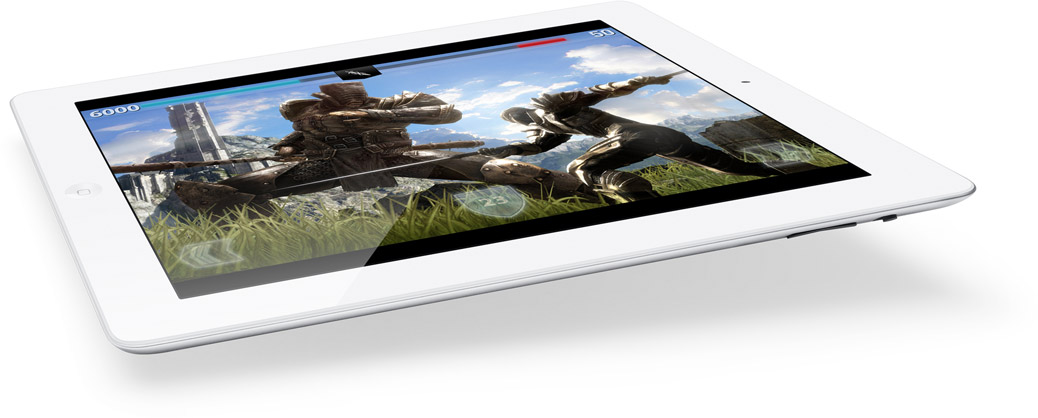
Indeed, Apple's supply chain is its secret weapon. After all, Apple was able to line up millions of new retina display panels and leapfrog rivals.
Here's a look at Apple's supply chain by the numbers.
1 million+: Number of units Apple is expected to sell when the new iPad launches March 16.
12: Countries that will sell the new iPad on March 16.
$7.1 billion: Amount expected to be spent in fiscal 2012 on "product tooling and manufacturing process equipment, and corporate facilities and infrastructure, including information systems hardware, software and enhancements."
$2.9 billion: Inventory component prepayments as of Dec. 31.
$13.4 billion: Outstanding off-balance sheet outsourced manufacturing and component purchase commitments as of Dec. 31.
156: Number of suppliers in Apple's supply chain.
97 percent: Portion those 156 suppliers represent in terms of Apple's procurement expenses.
229: Number of Apple supply chain audits performed in 2011. Of that sum, 188 were standard, 27 were process safety assessments and 14 were specialized environmental audits.
150 days: Time the typical purchase commitments cover the company's supply needs.
60: Maximum hours worked per person allowed under Apple's supply chain code.
1: Day of rest mandatory per seven days of work.
93 facilities: Number that had more than 50 percent of workers topping 60 hours at least 1 week of a 12 week sample.
39 percent: Portion of net sales in 2011 that came from customers in the U.S.
1 region: Asia is where the final assembly of all the company’s hardware products.
Two vendors: Two suppliers account for a significant portion of Apple's non-trade receivables.
2012-2022: Time frame where Apple's component agreements expire.
23.1 million: Metric tons of greenhouse gas emissions from Apple in 2011. 61 percent of that was manufacturing, 5 percent transportation, 30 percent product use, 2 percent recycling; and 2 percent facilities.
Sources: SEC filings, Apple supplier responsibility and environmental reports.
See also:
- The iPad success story — giving us what we want, again
- Latest iPad may boost Apple's app, music revenue
- New iPad’s HD display: The future of killer mobile visualization
- Apple’s new weapon for enterprise adoption of the iPad: Configurator tool
- iSuppli: Apple will regain lost tablet market share
- New iPad’s most revolutionary feature is its battery
- You should still consider a 4G Apple iPad, I bought one myself
- CNET: Is the iPad’s display a slam dunk?
- What makes the new iPad tick: A peek inside