Bring Metro apps to Windows 7 to encourage developer growth

Summary: Opening up Metro apps to Windows 7 users would give developers are al reason to start developing. It decouples the success of the new platform from the success of Windows 8.
More than six months on from Microsoft's Windows 8 BUILD event, there are only 99 apps in Microsoft's Windows 8 Store. This certainly seems to suggest that developers are dragging their heels when it comes to supporting Microsoft's upcoming platform.
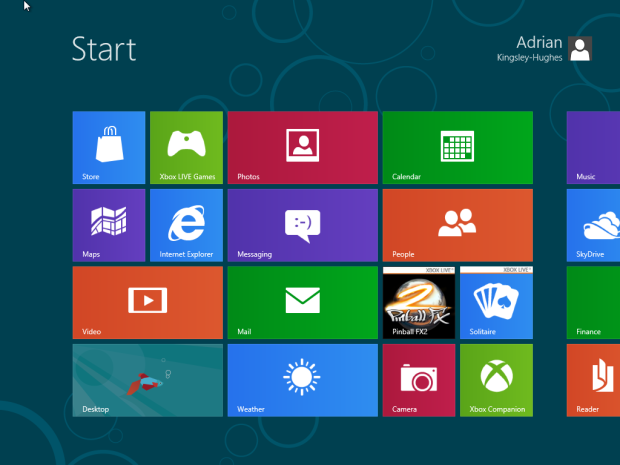
Does this mean success, failure, or something else for the ecosystem? While it's too early to tell, if I were Microsoft I'd be looking at ways to get developers excited about Metro app development. After all, the if there aren't enough apps in the store at the launch of Windows 8 then this could have an adverse effect on adoption of the new operating system.
You can also look at this the other way. If developers feel that interest in a new platform is going to be soft, then they're less likely to bother supporting the platform and concentrate development time -- and dollars -- on platforms that already have a large user base. There are a lot of platforms out there to develop for, and only so much development time and dollars to go around.
With less than a hundred apps in the Windows 8 Store so far, I get the feeling that developers are feeling that Windows 8 might be a gamble. The big developers might wait for general release before releasing apps, but for a small developer the exposure of being in the Windows 8 app store now with a product -- even a demo -- is the sort of exposure money can't buy.
There is however a simple way that Microsoft could make Metro apps more relevant. It would take some effort but it would give developers more confidence in developing Metro apps by removing the reliance on Windows 8.
So what should Microsoft do? Simple: backport support for Metro apps to Windows 7. I don't mean the entirety of the Metro UI, just support for app and perhaps a Start Screen launcher that could run as a separate application. Touch support will be non-existent, but that doesn't matter since not all Windows 8 systems will support touch. I think that touch support will be in the minority for the entire lifespan of Windows 8, and Metro apps can be controlled with a keyboard and mouse.
The apps that I've seen developed for Windows 8 so far -- and I think I've used pretty much all of them -- would work just as well in Windows 7, or even Vista for that matter -- but that was hardly a popular platform to begin with.
Opening up Metro apps to Windows 7 users would give developers a real reason to start developing. It decouples the success of these new style apps from the success of Windows 8 itself. Using Windows 7 as a platform for Metro apps would give it an instant user base of millions. And that's the sort of thing that makes developers sit up and take notice.
Image credit: Microsoft.
Related:
- Will Windows 8 drive sales of touchscreen notebooks?
- 600,000 apps in Apple's App Store, yet I can't find anything I want
- Why Windows 8 won't reimagine hardware that much
- Windows 8 is ready for 'Retina' display screens
- Windows 8 Consumer Preview - The good, the bad and the ugly
- Windows 8: Can we live without the desktop?
Kick off your day with ZDNet's daily email newsletter. It's the freshest tech news and opinion, served hot. Get it.
Talkback
If I was building a W8 app I wouldn't put it in the store yet.
RE: Johnny Vegas
Yes, you wouldn't because it is not possible. In W8 seminar a week ago I was told that only chance to get your app to the store before release is through special validation in 6 weeks. These paid apps will be available "in the next public release of W8". So there is another beta coming before RTM some time early summer I think. The amount of apps after this second consumer preview or what ever it is called would be better indicator about developer interest.
The "Release Preview"...
"Windows 8 might be a gamble"
Windows 8 is absolutely, positively, 100% guaranteed to sell hundreds of millions of copies. And systems running WinRT are absolutely, positively, 100% guaranteed to sell more than a [/i]billion[/i] copies. That is even if the PC market remains completely flat, or [i]even declines markedly[/i] over the next 10 years.
Developing for Windows is not a gamble.
Right now, the tools aren't there. The developer program isn't there. They will be. And when they are, the applications will come.
Yep
A billion copies?
Where do you get your weed? It's some powerful sh!t.
WinRT is the new Win32, so . . .
WinRT is MSFT's intended API
Anyway, for the next few years economics may still favor Win32 development for 3rd party developers.
I'll gauge MSFT's intentions for WinRT by how long it takes them to release a WinRT version of Office. If WinRT doesn't suit Office, there's a lot of other software it won't suit too.
Desktop vs Metro
It debatable whether there'll ever be as many Windows tablets and phones as Windows PCs. Since it'll take a few years for Windows 8 to reach 500 million PCs, it's take even longer for Windows 8 to reach a billion Windows 8 machines in total. Another question: how many PCs will have touch screen monitors by the end of 2013? Without touch screens, there's not much compelling about Metro.
Windows developers may have determined that, at least in the next 3 years, there's a lot more sales potential for desktop software than WinRT/Metro software. And don't kid yourself: WinRT/Metro won't be one big market. Apps which make sense for phones won't necessarily make sense for desktops and vice versa.
Consider an example. Would WinRAR net more money selling through a Windows 8 app store than it does currently? Since it also sells Linux, BSD, OS X and even MS-DOS versions, would it close down its own site and just sell Windows versions through the Windows 8 app store? If not, then would it charge the same price to end users through the Windows 8 app store as it does through its own site and accept lower per sale revenues from the Windows 8 app store after MSFT takes its cut?
App stores work for phones. App stores may work for iPads and Android tablets because it's much simpler to install software from their app stores, so app stores may work for WOA tablets. But x86 tablets will presumably be able to run desktop Windows software including installers, so there'd be a viable alternative to a Windows 8 app store for acquiring software.
To me it makes perfect sense for Windows developers to adopt a wait-and-see attitude to WinRT/Metro development. Windows phones are still a risky proposition. Windows 8 tablets are as yet unproven. And Windows 8 on nontouch desktops may be little more than a faster but more frustrating Windows 7.
As a developer
For example it forces app pricing to 'align' with the policy Microsoft wants. If they don't want to allow pay-what-you-want or donation-ware pricing they simply won't allow it. If they want to keep 30% of your revenue they can. There's no competition. If they raise it to 50% you have to pay it or you won't be able to distribute your Metro app anywhere else.
There are stores for Windows even for Win XP. Some example: AllMyApps, AppWhirr and Intel AppUp. Each with a slightly different concept. But WindowsRT won't allow another source of apps, only the built-in store.
I love Windows for it's openness and that it allowed so many simple but powerful utility / tool apps like Oscar (subtitle searcher) or Launchy (quick launcher). These are the small missing peaces of Windows what made it the perfect productivity system (at least for me).
I love Windows 7, and I love the enhancements in Windows 8 (tried both the Developer and the Consumer previews) but I don't like the new restrictions.
Backporting Metro Apps to Windows 7? That's a terrible idea.
I agree on backporting
Oh my !
Meanwhile visual studio 2011 is in beta, and to develop a metro style app is so easy that once the store actually does open for submissions, we will see an abundance of apps, some good and usefull, some that are next to useless.
Windows 8 Store isn't open for business yet!
Hopefully more apps will appear soon (I could really do with Facebook and Twitter apps to use with the share charm) but it's not really alarming that we've got the same 100 apps we had a month ago because Microsoft pretty much said as much.
This is all well documented information, it would be a great idea to check your facts before writing an article based upon a false premise.
Also, as someone else said, even if Windows 8 is as much of a "failure" as Vista apparently was it'll still sell hundreds of millions of copies and be the default installed operating system on 90% of PCs bought over the next three years. Add in all the tablets too...
Even with a super-low estimate there'll be 50 million Windows 8 users by Christmas, hardly a small market.
Any developer would be crazy not to already be working with the tools already available to see if they can get in on this new market as soon as possible.
there is a new app with FB and Twitter support.
nice comment, saddly some people/writers wont use a Little their brains to think what WinRT means and is, and how this store Works for Windows future.
Oh and Adrian
. . . if I were Microsoft . .
WMC idea
As many people have already stated, during the last 6 months(?), Windows should detect what hardware it is on and start the appropriate interface.
Why would I want those horrible app things on Windows 7 anyway?
I have real programs for performing my activities.
Metro
Personally I think Metro is ugly. I'll stick with Desktop Windows (W7) and watch this from my iPad.
make one set of tiles