UK court 'subpoenas' Twitter for names of super-injunction tweeters

Twitter is at the center of a row over super-injunctions -- gagging orders which prevent a person from speaking about something -- because users are tweeting information considered confidential by British courts.
A British football player (that's "soccer player" for the readers across the pond) has taken out a super-injunction in a UK court to prevent the publication of private information. The action prevents anyone in the UK from discussing the subject of the injunction or the injunction itself.
The law firm representing the soccer player, says that it is "not suing Twitter" as many news outlets are reporting, had applied "to obtain limited information concerning the unlawful use of Twitter by a small number of individuals who may have breached a court order".
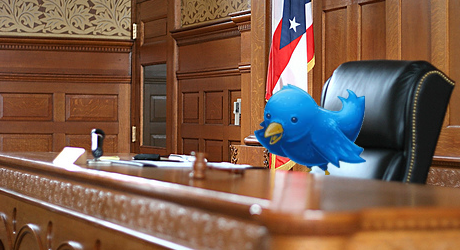
A court ruling earlier this week 'downgraded' the super-injunction, citing the Internet making it 'impossible' to police, thus revealing the fact that an injunction has been sought, and the initials of the soccer player who took out the injunction as "CTB".
While many have speculated as to who this soccer player is, his name is ????????? ???????????. It hasn't stopped other US news publications publishing suggested names, however.
This comes only months after the US government subpoenaed Twitter in a bid to support the ongoing criminal investigation into the Wikileaks organisation, to collect names of those involved in the organisation or its operations.
Icelandic member of parliament, Birgitta Jónsdóttir, was assisted by Twitter in having the gagging order on the subpoena lifted; breaking the news to the worldwide media.
As Twitter is a US-based entity, British courts have only the right to ask. Twitter has to decide whether to hand over the names, which as past experience shows it is often reluctant to do so.
While UK courts claim worldwide jurisdiction, which famously led to the arrest of former Chilean dictator, General Augusto Pinochet in London in 1999, Twitter can effectively ignore this recent legal case claiming rights under the First Amendment.
The British court system does not have a process for subpoenaing, but a court can 'summon' a subject to give evidence, or face contempt of court charges if they do not.
Currently, only British citizens are subject to the court-issued gagging order. Non-UK citizens are not, but this could change if the challenge is brought to the United States.
The only viable way for Twitter to hand over the personal information of users who may have tweeted the details of this gagging order is for CTB and his lawyers to apply to a US court for a subpoena, just as the US government did with the Wikileaks members.
However, this poses a distinct problem of anonymity. CTB would have to apply using his full name, thus negating the super-injunction altogether.
While it is unlikely that CTB will apply to a US court, it does question the effectiveness of a super-injunction; so called 'gagging orders'.
Related content: