Google adds HTTPS-only browsing to Chrome
Summary: Google has quietly released a pre-beta version of Google Chrome 2.0 with a new HTTPS-only browsing mode.

Google has quietly released a pre-beta version of Google Chrome 2.0 with a new HTTPS-only browsing mode.
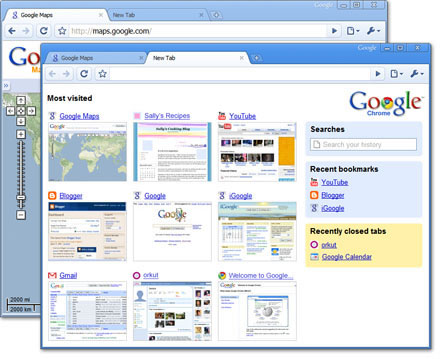
The new feature lets users add "force-https to your Google Chrome shortcut" to only load Web sites with valid security certificates. "Sites with SSL certificate errors will not load," the company explained.
The newest Chrome release also updates the WebKit and V8 JavaScript engines, offers a better implementation for SafeBrowsing (malware/phishing protection), and new code for the HTTP network protocol.
Google's release notes provide more detail on the changes.
ALSO SEE:
- Google Chrome, the security tidbits
- Google Chrome vulnerable to carpet-bombing flaw
- Google hires browser hacking guru
Kick off your day with ZDNet's daily email newsletter. It's the freshest tech news and opinion, served hot. Get it.

Talkback
lol
Does Chrome block Google?
Name-based virtual servers have the "one certificate per IP Address" problem. SSL Certificates are issued to a domain or server name. 1996's SSL 3.0 expects one IP Address to handle one server name. The problem will be fixed when 2003's TLS 1.1 replaces SSL3 as the standard encryption method. [I am uncertain when virtual hosting was first used. Apache httpd 1.3 supported name-based virtual hosting by 1998. The terms were already common.]
Even in early 2009, expectations are for websites to use unencrypted HTTP connections. My Apache post mentioned Google as a problem. Today, https://google.com and https://www.google.com still redirect to http://www.google.com. Keeping your reading private is not sufficient if the path to the content is insecure.
Does Google's Chrome browser block Google because HTTPS is not allowed?
The https to http issue is a server based redirect.
This is due to that the servers used by Google are rerouting the https traffic (the URI you are using, port 443) to unencrypted http (port 80). This is a server setting and has nothing to do with the browser (Chrome, Firefox, IE, Opera, etc.). This is controlled through Apache modules.
Google is Inconsistent
2. The redirect should have been handled with the Redirect command from the standard mod_alias module. People should expect:
https://www.google.com/search?q=example
to redirect to:
http://www.google.com/search?q=example
but Google loses the query and redirects to:
http://www.google.com/
3. So the redirect is probably being handled with the RewriteRule command from the standard (but must be enabled) mod_rewrite module.
4. The software technology is not relevant to the discussion. Google redirects secure requests to insecure connections. This opposes the goals mentioned in the article. If Google cared about securing the Web,
http://www.google.com/
would redirect to:
https://www.google.com/
and if Google cared about visitors, the query would not be discarded during the redirect.
RE: Google adds HTTPS-only browsing to Chrome
About trashing Chrome...
I use Chrome almost all the time. It's much faster
than Firefox. It's simple, secure and fast.
I use Gmail (22,000+ archived emails) with the https
enabled. I haven't had any problems.
In the end I have nothing against it if...
Btw, does google still support firefox development financially or did they drop that when they started with chrome?
RE: Google adds HTTPS-only browsing to Chrome
<a href="http://www.yuregininsesi.com">seslisohbet</a> <a href="http://www.yuregininsesi.com">seslichat</a>