Firefox for Android revamp brings browser to 250 million older phones

Mozilla has pushed out a new version of Firefox for Android, which it says makes the web browser compatible with around 250 million more phones than before.
The browser, best known for its desktop counterpart and stand-out features like the Awesome Bar, automatic syncing and HTML5 support, previously only worked on handsets with an ARMv7 processor (or higher), running Android 2.2 or newer.
An update released on Monday adds support for older devices built on ARMv6 processors, which massively extends the range of phones that can use the software, Mozilla said.
"Given that roughly half of the nearly 500 million Android phones in use today run on ARMv6 architecture, this is an important step toward making the open web free to all," Mozilla said in a blog post.
Despite the expanded support, ARMv6 phones will still need at least an 800MHz processor and 512MB of RAM to run the browser, as well as Android 2.2 (Froyo).
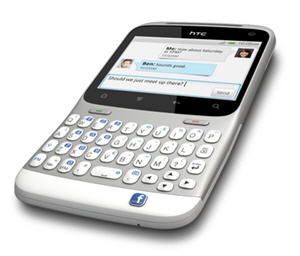
Some of the devices now able to run Firefox for Android are the HTC Status, HTC ChaCha, Samsung Galaxy Ace, Motorola Fire XT and LG Optimus Q.
In the browser update, Mozilla also folded in some accessibility features found in recent Android builds. For example, Firefox for Android now supports TalkBack, the Android screen reader for the visually impaired, as well as Explore by Touch and Gesture Navigation.
In addition, Mozilla fixed some minor Android 4.2 instability issues and text deletion issues.