HP ditches Linux option for UK netbooks

Summary: The UK and some other European countries will not be able to get any new HP netbook with Linux after the manufacturer decided to sell only Windows versions here
HP has dropped Linux as an operating-system option for its latest netbooks in the UK market.
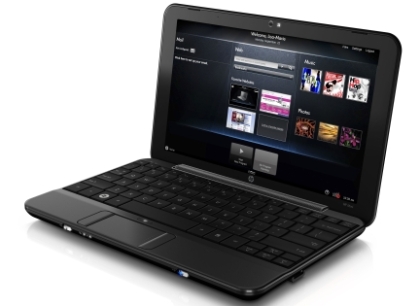
An HP spokesperson told ZDNet UK on Thursday that it will not offer the Linux version of the new HP Mini 1000 in "quite a few of the European markets", including the UK. The netbook, which was launched in October, was planned to go on sale in all versions this month. In fact, British customers cannot buy any version of the Mini 1000 other than the designer, premium-priced Vivienne Tam edition. That version, which comes only with Windows XP, is already on sale for about £450.
HP is selling the Mini 1000 Mobile Internet Experience (MIE) edition, which uses a customised version of Ubuntu Linux and is aimed at home-entertainment use, in the US.
The Compaq Mini 700, which is HP's cheaper but similarly specified alternative to the Mini 1000, will be available in the UK. However, it too will come in an XP flavour. British customers can also buy HP's business-oriented Mini 2140, which comes with a choice between XP and Vista.
The manufacturer does offer UK buyers a cheap subnotebook that uses Linux — the Mini 2133 — but that model has been out for almost a year. The 2133 belongs to the previous generation of netbooks and has been superseded by the Mini 1000, which uses Intel's Atom processor rather than the less powerful Via C7-M processor found in the 2133.
HP's spokesperson said the decision to drop Linux from netbooks aimed at the UK market had been taken "a month ago", but declined to comment on the reason. After ZDNet UK asked for clarification, HP sent a statement in which it said it had "assessed the current EMEA market and believes that the Compaq 700 and HP Mini 1000 Vivienne Tam Edition better address the market and consumer needs".
The statement concluded: "As a result, the HP Mini 1000 with Mobile Internet Experience will not be introduced in EMEA."
The fast-growing netbook market, which only got going in 2007, kicked off with the launch of Asus's Linux-only Eee PC 701. In early 2008, Microsoft announced a partnership with Asus to put Windows XP onto the next generation of the Eee, and since then XP has become a standard option on netbooks.
Microsoft has been offering XP to netbook manufacturers at a reduced price, as long as they agreed to certain specification limitations.
There have been reports that retailers have had more Linux-based netbooks returned to them by customers than their XP-based counterparts, because buyers struggled to use the unfamilar operating system. However, the top-selling netbook in Europe has been Acer's Aspire One netbook, which usually uses the Linpus Linux distribution.
Kick off your day with ZDNet's daily email newsletter. It's the freshest tech news and opinion, served hot. Get it.
Talkback
Unfortunate, but not Tragic
Perhaps someone could convince HP to sell their netbooks with no operating system at all installed, at a slightly lower price, for those who want to install their own?
jw
Computers bare of OS
The ubiquity and familiarity of Windows does mitigate in it's favour, as does the rather stronger software and driver support, although somewhat less so since Vista.
But, regardless of what choice I would ultimately make, I would like to have that choice. Of course, it is also just a convenience to the retailer to sell computers with Windows, or should I say 'Brown Boxes'
I wonder that (why) the EU does not raise this abuse of monopoly practiced by Microsoft over computer manufacturers and the general public.
Like many people, I do not like my arm to be twisted.
Thankfully, there are Linux netbook alternatives
While HP's refusal to sell Linux in the UK isn't great for Linux or consumers, it's not the end of the world.
This machine is not for the likes of us.
An interesting comparison is with the car industry. The likes of Ford and Toyota want to sell cars to those who will get in, turn the key and drive away. OK they need to know how to turn the lights on, put it in reverse and fill it with fuel. They will not fiddle with the engine management system to try and get a few more break horse power (whatever that means!!) out the engine.
Those of us, and we are in the minority, who like to tinker, are not catered for by the likes of HP and Dell. They see Linux as a curiosity for the anoraks of the computer world. Not much profit there at all.
This machine is not for the likes of us
It should be for "the likes of us"...
Second, there are actually two problems here. First, those of us who might buy this machine in order to put Linux on it don't want to pay extra for an operating system we are not going to use. Second, we really, REALLY, don't want to pay Microsoft for one of their operating systems that we don't want.
jw
HP ditches Linux option for UK netbooks
UNLAWFUL or ILLEGAL
HP should be forced (similarly Dell and all other manufacturers) to make the default purchase a 'netbook' or 'notebook' - being hardware only at a basic price.
Optional extras - keyboard with a snazzy Windows logo, or perhaps a nice HP or DELL logo on the extra function key would be nicer. Also, choose from the recommended XP, or something else - but not if you don't want to!!!
How can this be acceptable in law? Isn't this the essence of antitrust? How can Microsoft be allowed to force manufacturers to exclude people in that way?
It's already public knowledge that they made it a priority to fight dirty since the turn of the century (I remember the news in 2000 that they were trying to force Intel to 'engineer' their processors to refuse to work properly with linux).
HP and Dell both went down a long way in my esteem. I'll be more likely to look towards alternatives - as we hear several countries and their governments are already doing.