Windows 7 and SSDs: Trimming the fat from your system drive
Solid-state drives are wicked fast. They’re also expensive and (at least for now) limited in total capacity. So how do you get the performance benefits of an SSD upgrade without breaking the bank? Use a fast SSD as a Windows 7 system drive and install a conventional hard disk for use as a dedicated data drive. The trick is to look at the total amount of space available on the system drive and then make intelligent, case-by-case decisions on where to store different kinds of files.

1 of 9 Ed Bott/ZDNET
2 of 9 Ed Bott/ZDNET
3 of 9 Ed Bott/ZDNET
4 of 9 Ed Bott/ZDNET
5 of 9 Ed Bott/ZDNET
6 of 9 Ed Bott/ZDNET
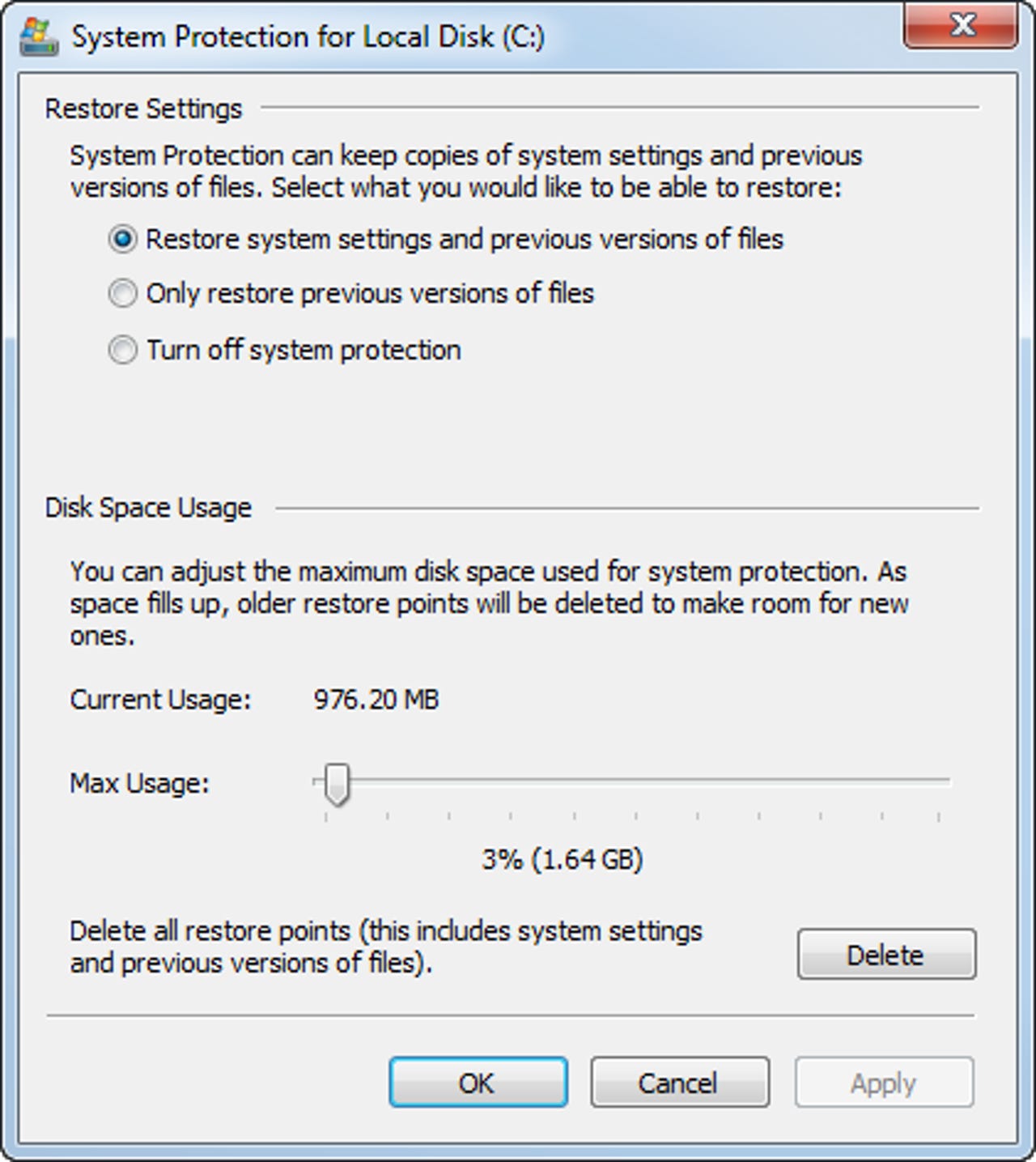
7 of 9 Ed Bott/ZDNET
8 of 9 Ed Bott/ZDNET
9 of 9 Ed Bott/ZDNET
Related Galleries
Holiday wallpaper for your phone: Christmas, Hanukkah, New Year's, and winter scenes
![Holiday lights in Central Park background]()
Related Galleries
Holiday wallpaper for your phone: Christmas, Hanukkah, New Year's, and winter scenes
21 Photos
Winter backgrounds for your next virtual meeting
![Wooden lodge in pine forest with heavy snow reflection on Lake O'hara at Yoho national park]()
Related Galleries
Winter backgrounds for your next virtual meeting
21 Photos
Holiday backgrounds for Zoom: Christmas cheer, New Year's Eve, Hanukkah and winter scenes
![3D Rendering Christmas interior]()
Related Galleries
Holiday backgrounds for Zoom: Christmas cheer, New Year's Eve, Hanukkah and winter scenes
21 Photos
Hyundai Ioniq 5 and Kia EV6: Electric vehicle extravaganza
![img-8825]()
Related Galleries
Hyundai Ioniq 5 and Kia EV6: Electric vehicle extravaganza
26 Photos
A weekend with Google's Chrome OS Flex
![img-9792-2]()
Related Galleries
A weekend with Google's Chrome OS Flex
22 Photos
Cybersecurity flaws, customer experiences, smartphone losses, and more: ZDNet's research roundup
![shutterstock-1024665187.jpg]()
Related Galleries
Cybersecurity flaws, customer experiences, smartphone losses, and more: ZDNet's research roundup
8 Photos
Inside a fake $20 '16TB external M.2 SSD'
![Full of promises!]()