Why mobile payments is like Wacky Races — and why Apple is steering clear

Right now, the mobile payments market reminds me a lot of the old cartoon show Wacky Races.
But instead of Dick Dastardly and Penelope Pitstop with their outlandish jalopies, we have banks, mobile operators and handset makers with their different technologies and alliances — all hoping to become the winner in mobile payments.
In the UK, Barclaycard is promoting PayTag, a miniature credit card it wants customers to stick on their mobile phones (or their shoes, or their dog) to make contactless payments. Barclays Bank has its Pingit application, which lets people make payments to anyone who owns a mobile phone in the UK, as well as — soon — in Africa and Europe. On the mobile service provider side, O2 unveiled its O2 wallet service in April.
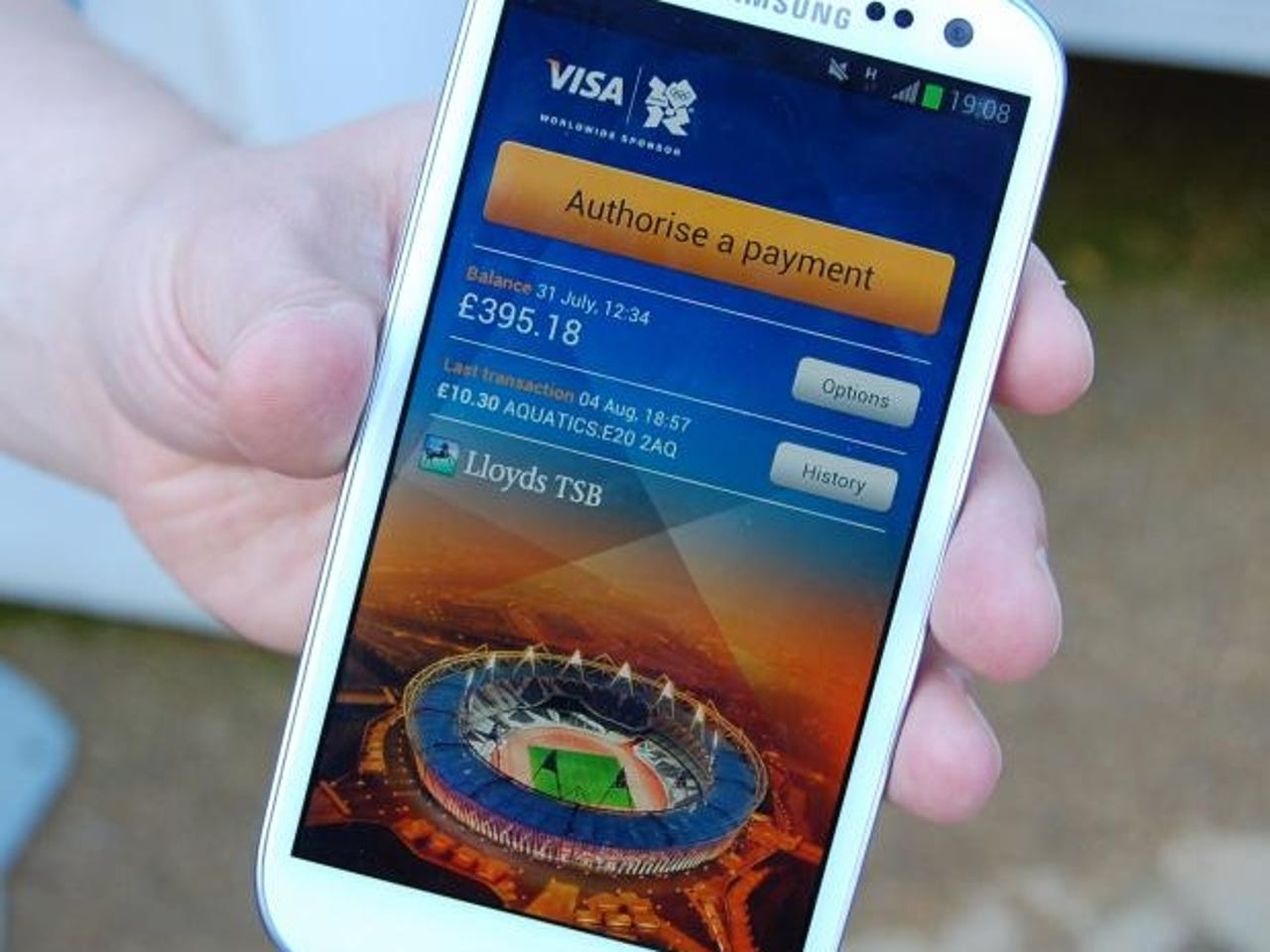
And it's not just banks and operators — Visa and Samsung used the London 2012 Olympics to showcase the mobile payments work they've done, while Google Wallet is another option (only in the US, for now) and Square's recent deal with Starbucks has shown there is plenty of room for new entrants.
It's certainly a race worth winning: worldwide mobile payment transaction values will top $171.5bn (£108bn) and reach 212 million users this year, rising to $617bn and 448 million users by 2016, according to Gartner. Few companies would turn down an opportunity to take a cut of that — hence the mad race by all players to trial all manner of technologies in an attempt steal a march on their rivals.
"The market is all over the place," explained Sandy Shen, research director at Gartner.
Two camps
Most mobile payments players can be divided into two camps, said Shen.
One group is betting on near-field communications (NFC) technology, which involves an NFC chip inside users' smartphones. The other camp is banking on cloud-based services: these are mostly based on existing technologies — such as mobile apps — that people can download and install on their mobile device.
The advantage for the cloud camp is that this approach doesn't require any spending on new technologies. In contrast, an NFC service requires new NFC phones, as well as contactless readers for merchants to be able to accept the payments.
"One requires quite substantial investment in the infrastructure, while the other is trying to leverage existing technologies, with minimal investment and changes required by the merchants or consumers," Shen told ZDNet.
Advantage cloud
Unsurprisingly, the cloud camp is winning at the moment, said Shen. For NFC technologies to take off, the infrastructure needs to be in place. This will probably take two years at least, given that merchants must upgrade their point-of-sale terminals and consumers upgrade their mobile devices.
"Right now, the most immediate opportunity is with the cloud-based approach" — Sandy Shen, Gartner
"Right now, the most immediate opportunity is with the cloud-based approach," said Shen. "If you are looking at NFC technologies, there is lots of hype and lots of trials. But if you look at real adoption in the market, it is very slow."
"You need to address a problem — an existing 'pain point' in the purchase process — to convince users, rather than have a technology ready in search of a problem. That's the case with NFC — it's a technology in search of a problem," she said.
A big part of the challenge for all would-be providers is that cash and credit cards are still doing a pretty good job. Explaining why someone should download an app or upgrade their phone just so they can buy a cup of coffee is proving difficult. This is because many companies are emphasising the mobile payments element when really they should be focusing on how their service improves the overall shopping experience — by saving time or money, for example.
AWOL Apple
However, potentially the most important player is missing from the mobile-payments race: Apple.
Earlier this year, it unveiled its Passbook app which — when iOS 6 arrives — will allow iPhone users to store various loyalty cards on their phone. This is seen by many as Apple's first step towards supporting mobile payments.
And Apple is hardly new to processing payments, either: hundreds of millions of people conduct transactions through iTunes already. So Apple seems to have many of the pieces in place, but hasn't made a big play — yet.
While there have been some suggestions that the iPhone 5, expected in September, may contain an NFC chip, Shen believes Apple could be waiting to see how the mobile payments market develops before making its own — likely decisive — intervention.
"Apple obviously haven't seen the value of putting an NFC chip in their device, as they know the market is not going to be there for another two years," he said.
"Apple haven't figured out a way to play a role in the payments ecosystem — how they can make money from that — and that's why they've been holding back."
The iPhone maker hasn't always been first to market, of course. Whatever Apple's strategy, Shen said the NFC-versus-cloud battle is unlikely to lead to a clear-cut victory for either side.
"They can co-exist with each other; they are not contradictory or exclusive," he said. "In some situations — small purchases, maybe — you can think of NFC. But for other retail scenarios, like large-ticket items, you would probably resort to other means of payment, maybe using the cloud-based approach."